Sentinels: How Community Search Finds Lost Pets
When a pet goes missing, the clock starts ticking. You post on Facebook. You put up flyers. You call the council. And then you wait - hoping that the right person sees the right post at the right time and happens to recognise your dog or cat.
That's a lot of hoping. And it's slow.
Sentinels is FoundYa's answer to a question we kept asking ourselves: what if the people closest to where your pet went missing were actively looking, not passively scrolling?
What are Sentinels?
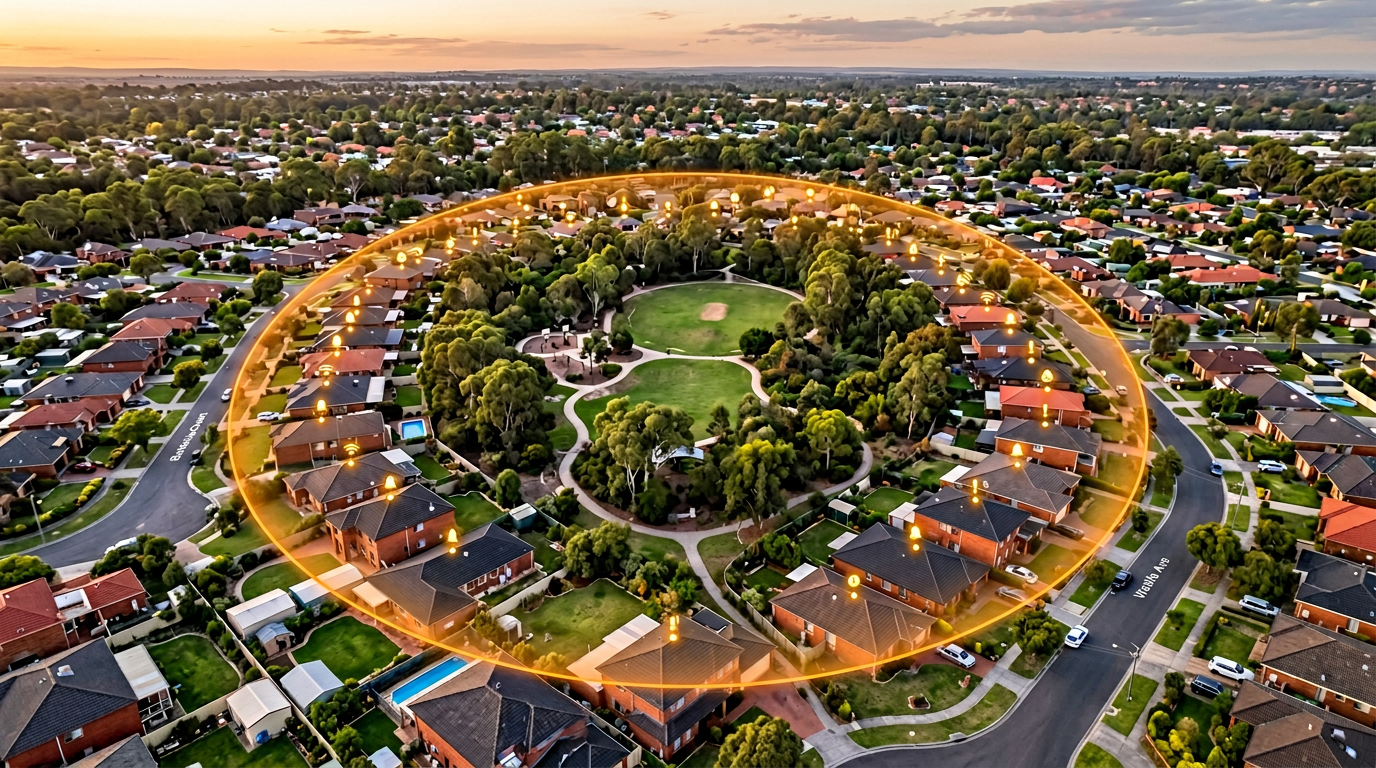
Sentinels are local community members who've opted in to receive alerts when a pet goes missing near them. Think of it as neighbourhood watch, but for pets.
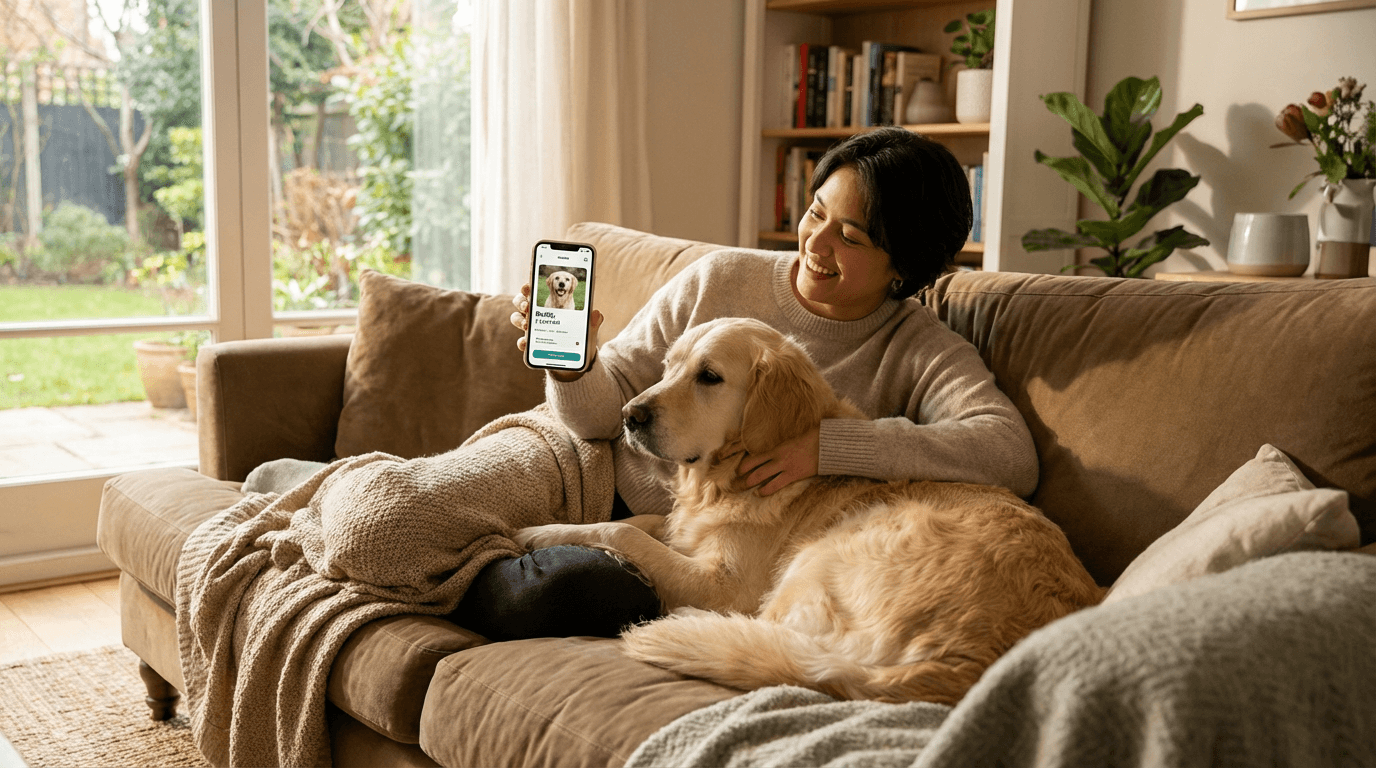
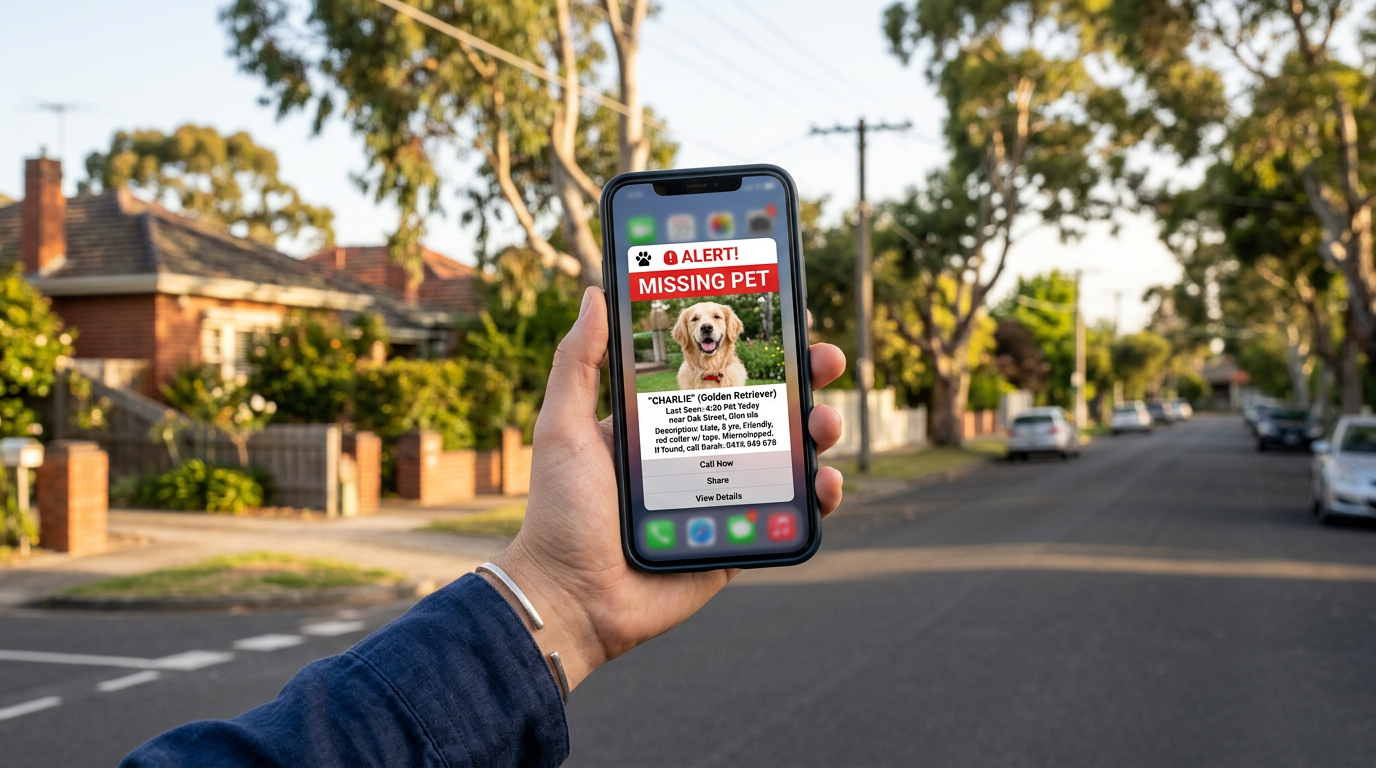
When a pet owner activates lost mode on FoundYa, every Sentinel within a defined radius gets a notification. The alert includes the pet's photo, name, breed, and the area where they were last seen. Sentinels don't need to be friends with the owner. They don't need to follow a specific Facebook group. They just need to be nearby and willing to keep an eye out.
That's it. No commitment beyond "check your yard and look around when you're out." But multiply that by dozens of people across a suburb, and you've got something a lost poster can never match: a coordinated, real-time search network that activates in minutes.
How it works
The flow is straightforward, and that's by design. When seconds matter, you don't want a complicated process.
1. Owner activates lost mode
Your dog bolted during a storm. Your cat didn't come home. Whatever happened, you open FoundYa and toggle lost mode on your pet's profile. You confirm or update the last-seen location.
2. Sentinels get alerted
Every Sentinel within the search radius receives a push notification with your pet's photo, description, and the general area. They don't get your address or personal details - just enough to know what they're looking for and roughly where.
3. Sentinels search their patch
Each Sentinel checks their own immediate area - their yard, under their deck, their street, the park they walk through. They're not searching the whole suburb. They're covering their own ground, which is something they can do in five minutes without going out of their way.
4. Someone finds the pet
When a finder taps the NFC tag on the pet's collar, the owner gets an instant notification with the finder's approximate location. No app required on the finder's end - they tap, they see the profile, they message the owner. If the pet isn't wearing a tag, Sentinels can still report a sighting through the alert, updating the last-seen location for everyone.
5. Last-seen location updates
As sightings come in, the search area shifts. Sentinels near the new location get notified. The search follows the pet rather than staying anchored to where they were first missed.
Lost mode and Sentinel alerts work even if your pet doesn't have a physical tag on their collar. Sign up, create your pet's profile, and you've got access to the full lost-pet toolkit. The tag makes the finder experience faster (one tap instead of sharing a link), but the community network works either way.
Why community search beats posters
Lost-pet flyers have been the standard for decades. They work - sometimes. But they have real limitations that a digital community network doesn't.
Speed
A flyer takes time. You need to design it, print it, physically walk around and post it. By the time your flyers are up, hours have passed. Sentinel alerts go out in minutes. For a dog that's still moving or a cat that's hiding nearby, those hours matter.
Coverage
You can put up maybe 20-30 flyers before you're exhausted. Each one reaches the handful of people who walk past that specific spot and actually look at it. A Sentinel alert reaches every opted-in person within the radius simultaneously. That's dozens or hundreds of pairs of eyes, activated at once, covering ground you physically can't.
Relevance
A flyer on a noticeboard at the shops might be seen by someone who lives 15 kilometres away. Useful? Not really. Sentinel alerts only go to people who are actually near the search area. Every notification reaches someone who might genuinely walk past your pet today.
Updates
Flyers are static. Once they're up, they can't be changed. If your pet is spotted in a new area, you need new flyers in a new location. Sentinel alerts update dynamically - new sighting, new location, new notifications to the right people.
Weather
Australian sun, rain, and wind destroy paper flyers within days. Sentinel alerts don't care about the weather.
Sentinels don't replace flyers - use both. But Sentinels give you the speed and coverage that flyers can't, especially in those critical first hours. Check out our full guide on finding a lost dog or finding a lost cat for a complete search strategy.
Becoming a Sentinel
Signing up as a Sentinel is free and takes about 30 seconds. You don't need to own a pet. You don't need a FoundYa tag. You just need to care enough about animals to check your yard when a neighbour's pet goes missing.
Here's what being a Sentinel actually looks like in practice:
- You get a notification that a golden retriever went missing about 800 metres from your house
- You check your yard, look under your deck, glance in your open shed
- You keep an eye out on your afternoon walk or your drive home
- If you see something, you report the sighting through the alert
That's it. Five minutes of your day, maybe ten. No meetings, no roster, no obligation. You're just an extra pair of eyes in your neighbourhood when someone's pet needs them most.
The maths is simple. One person searching a suburb alone will take hours and miss plenty of spots. Fifty Sentinels each checking their own immediate area covers the same ground in minutes - and covers it more thoroughly, because each person knows their own yard and street better than a stranger ever could.
Real scenarios where Sentinels matter
The storm bolter
A thunderstorm rolls through on a Tuesday evening. Your kelpie panics, jumps the fence, and disappears into the rain. You can't see 10 metres in front of you. Flyers are useless - no one's outside, and they'd be pulp by morning.
But Sentinels are at home. They get the alert, and even if they can't go outside right now, they know to check their yard first thing in the morning. When your soaking-wet kelpie turns up under a neighbour's deck at dawn, that neighbour is already looking for them.
The cat that didn't come home
Your outdoor cat usually rocks up for dinner at 6 pm. By 9 pm, no sign of them. Cats are quiet when they're hiding - they won't meow, won't come when called, and can sit silently in the same spot for days. You're not going to find them by walking the streets calling their name.
Sentinels within 100 metres get the alert and check the tight, dark spots cats love - under decks, inside sheds, behind woodpiles. Cats hide close to home, so a cluster of people checking their own properties is exactly the right strategy.
While you're at work
Your pet escapes while you're at the office, and you can't get home for hours. Without Sentinels, the search doesn't start until you do. With Sentinels, the search starts the moment you activate lost mode from your phone - even if you're 30 kilometres away at your desk.
The network effect
Sentinels get more effective as more people join. One Sentinel on your street is helpful. Ten Sentinels across your suburb is a genuine safety net. A hundred across your town means a lost pet has eyes on it almost immediately.
This is the bit that excites us most about FoundYa. The platform isn't just a pet profile with a fancy tag - it's a community tool that gets better for everyone the more people use it. Every Sentinel who signs up makes the network stronger for every pet in their area, including their own.
You don't need to own a pet to be a Sentinel. You just need to live somewhere and be willing to glance around when a notification comes in. If you've ever seen a lost-pet poster and thought "I hope they find them" - being a Sentinel lets you actually do something about it.
Join the network
Sign up to FoundYa and enable Sentinel alerts. It costs nothing, takes 30 seconds, and means the next time a pet goes missing near you, you'll be part of the search instead of just hoping someone else finds them.
And if you've got a pet of your own, setting up their profile means your Sentinels are ready when you need them. Lost mode, community alerts, and a shareable profile link - all ready before anything goes wrong.