The 10 Dog Breeds Most Likely to Escape (And How to Prepare)
Every dog owner has a story. The gate was open for three seconds. The courier left the side door ajar. A possum ran across the fence line and your dog decided today was the day they'd finally catch one. Some dogs, though, don't need an excuse. They're just built for it.
If your breed is on this list, don't panic - and definitely don't feel bad. These are some of the most beloved, charismatic dogs going around. They just happen to be excellent at leaving the premises without permission.
The escape artists
1. Siberian Husky
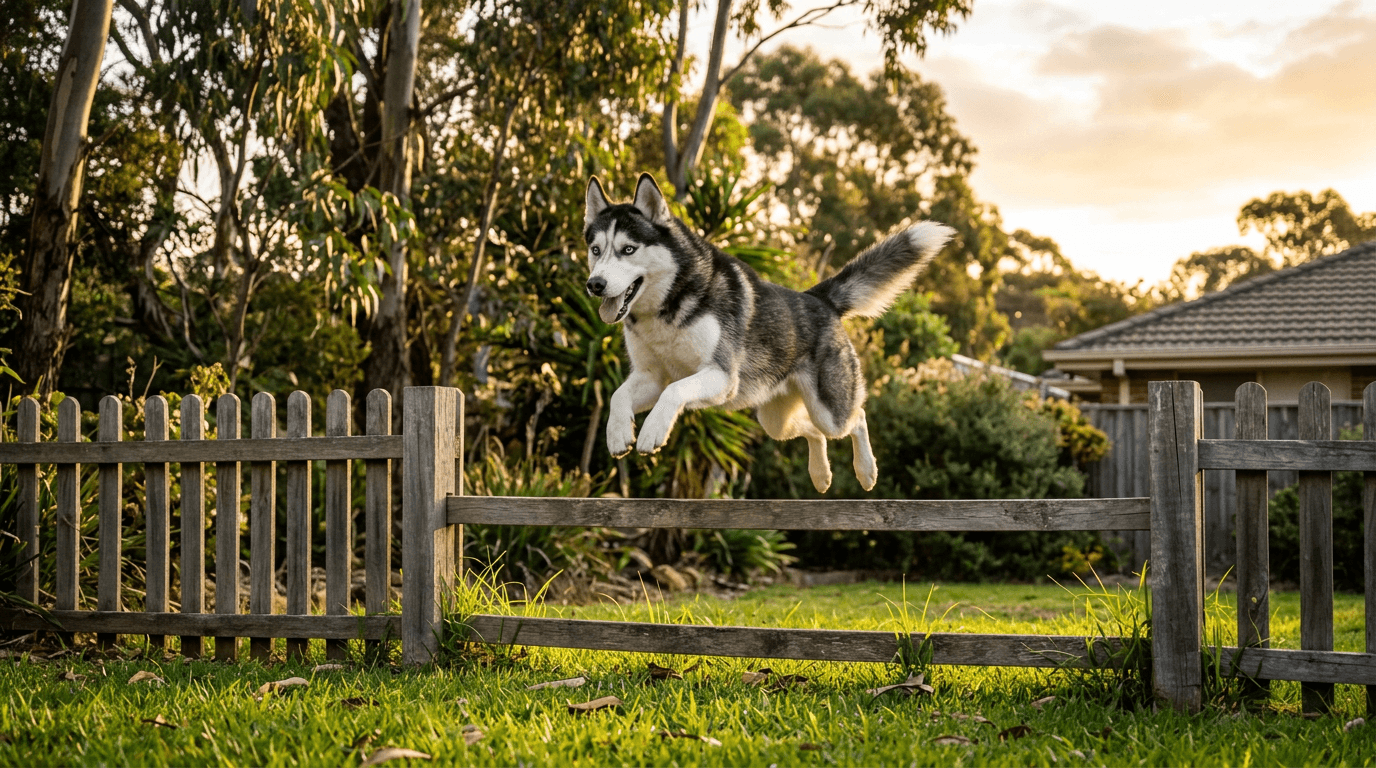
Born to run. Literally bred to pull sleds across frozen tundra for hours on end. A suburban backyard with a 1.5-metre fence is not a challenge - it's a warm-up. Huskies will scale fences, dig under them, and if neither works, they'll find the one weak point in your gate latch that you didn't know existed. They don't escape because they're unhappy. They escape because running is their entire purpose, and your yard is very, very small compared to Siberia.
2. Beagle
The nose knows. Beagles don't decide to escape - they just follow a scent trail and forget they were ever in your yard. One interesting smell can lead them through a gap in the fence, across the park, past the school, and into the next postcode before they look up and think "huh, where am I?" They're not trying to leave you. They've just got 220 million scent receptors and zero impulse control.
3. Jack Russell Terrier
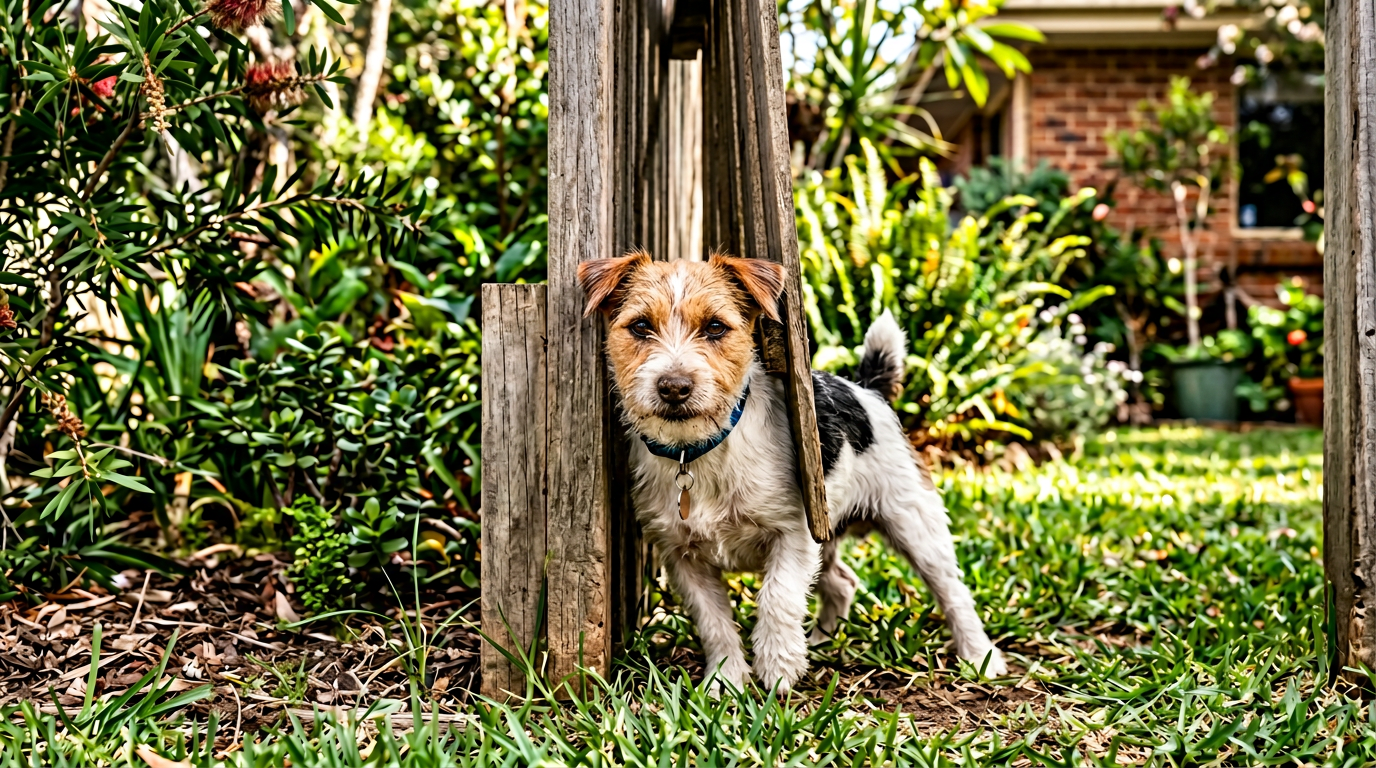
Small, fast, fearless, and absolutely convinced they're a much larger dog. Jack Russells dig under fences, squeeze through gaps you didn't think a cat could fit through, and launch themselves over obstacles with the confidence of an Olympic hurdler. They were bred to chase foxes into underground dens - your garden border is nothing.
4. Labrador Retriever
Labs don't escape out of rebellion. They escape because someone three streets over is having a barbecue and they can smell the sausages. Or because a stranger walked past and looked friendly. Or because a butterfly flew over the fence and they reckoned they should follow it. Labs are friendly to a fault, which means they'll happily wander off with literally anyone who gives them a pat.
5. German Shepherd
Intelligent, athletic, and easily bored. A German Shepherd with nothing to do will create their own entertainment, and that entertainment often involves working out how to open the gate, climb the fence, or dismantle whatever barrier you've put in place. They don't just escape - they engineer escapes. You'll find yourself in an arms race.
6. Australian Cattle Dog
A working dog bred to herd cattle across vast stations. Now living in a suburban yard the size of a tennis court. You can see the problem. Cattle Dogs have bottomless energy and a brain that needs a job. Without enough exercise and stimulation, they'll channel that energy into creative fence-defeating strategies that would impress an engineer.
7. Whippet / Greyhound
These dogs can clear a standard fence from a standing start. Not a running start - a standing start. They're quiet, gentle, and spend most of their day sleeping on the couch, which lulls you into thinking they're low-maintenance. Then a rabbit appears on the other side of the fence and they're gone. Vertical takeoff. No warning.
Greyhound rescue organisations often recommend fences of at least 1.8 metres for adopted greyhounds - and even then, some of the more athletic ones will give it a red-hot go.
8. Dachshund
You wouldn't think a sausage dog could be a serious escape artist, but you'd be wrong. Dachshunds were bred to hunt badgers by digging into their burrows. Your fence might be solid above ground, but underneath? That's just an invitation. They're surprisingly determined diggers, and their low, narrow build means the tunnel doesn't need to be very big.
9. Border Collie
Too smart for their own good. Border Collies don't just escape - they observe, plan, and execute. They'll watch you open the gate latch for weeks, then calmly do it themselves when you're not looking. They can open sliding doors, work out child locks, and probably file your taxes if sufficiently motivated. A bored Border Collie is a Border Collie who's about to outsmart you.
10. Staffordshire Bull Terrier
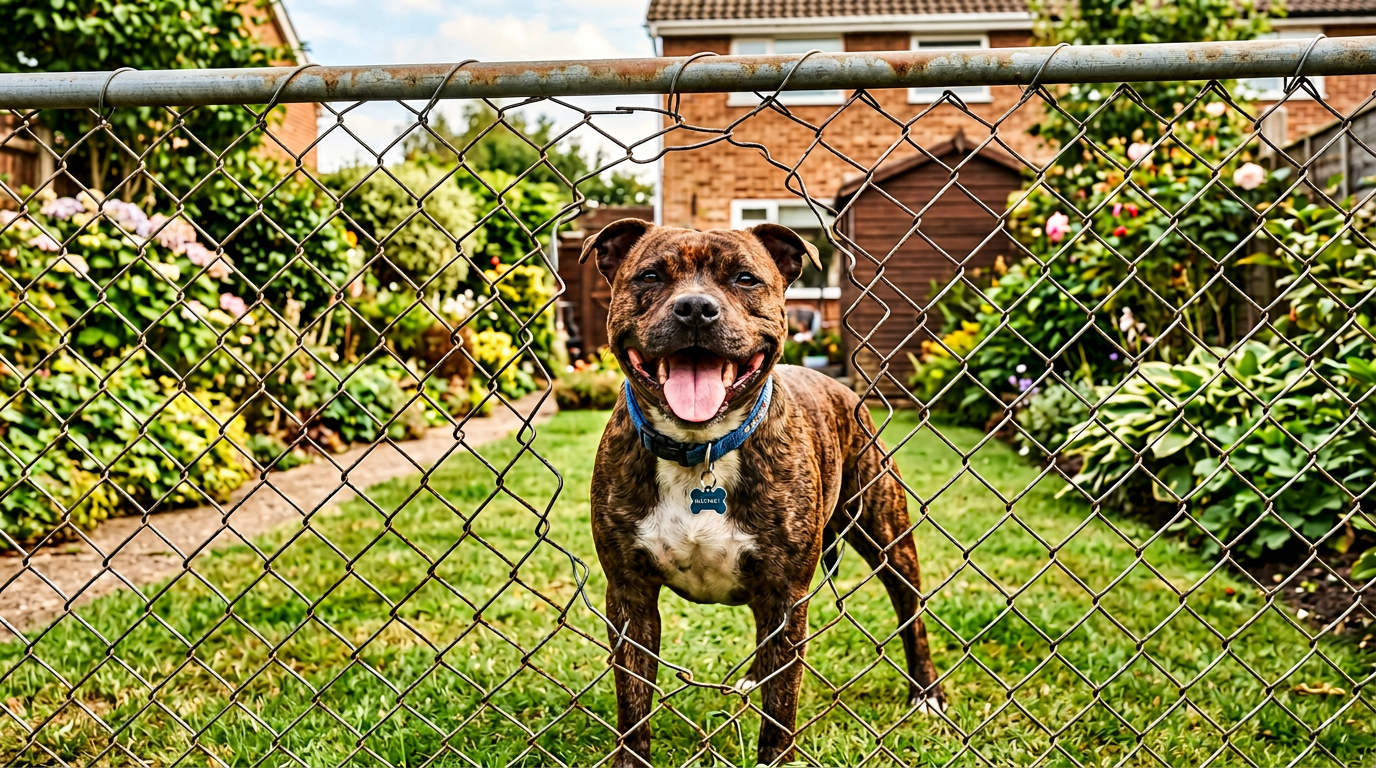
Staffies are strong, stocky, and absolutely determined once they've decided something needs investigating on the other side of the fence. They won't go over or under - they'll go through. Weak palings, loose fence panels, gates that don't quite sit flush - a Staffie will bulldoze them with a mixture of enthusiasm and brute strength that's almost impressive.
Why dogs escape
Before you blame the breed, it's worth understanding why dogs bolt. The breed predisposition is real, but the underlying triggers are usually one of these:
- Boredom - a dog with nothing to do will find something to do, and "something" often involves leaving your property
- Prey drive - cats, rabbits, possums, skateboards. Some dogs simply cannot resist the chase
- Separation anxiety - dogs that panic when left alone will try to find you, even if that means digging out of the yard
- Intact males seeking mates - an undesexed male dog can smell a female in heat from a remarkable distance, and no fence feels like enough
- Fear - thunderstorms, fireworks, and loud noises send anxious dogs into blind panic. They're not escaping your yard - they're escaping the noise
- Curiosity - some dogs just want to see what's out there. No drama, no anxiety - they're just explorers
Understanding the trigger helps you pick the right fix. A dog escaping from boredom needs more exercise and enrichment. A dog bolting from storm anxiety needs desensitisation and a safe space. A dog following their nose needs a better fence and more mental stimulation.
How to prepare
You can't always prevent an escape. But you can make sure the outcome is a quick reunion instead of a week of panic.
Secure your yard
Start with the basics:
- Check fence height - 1.8 metres minimum for athletic breeds. Huskies, Cattle Dogs, and sighthounds will clear anything shorter
- Fill gaps - walk your entire fence line and look for holes, loose palings, and gaps at ground level. If a possum can fit through it, a determined Jack Russell can too
- Secure gates - self-closing hinges and locks that a dog can't nose open. Double-gate systems (airlock style) are gold for high-risk breeds
- Block digging - bury chicken wire along the fence line or place pavers at the base. Dachshunds and terriers will test every inch
- Check regularly - fences deteriorate, storms knock palings loose, and dogs are patient. A monthly fence check takes five minutes
Ask a friend to walk past your fence line while you watch your dog from inside. You'll quickly see which spots get their attention - those are the weak points to reinforce first.
Exercise and enrichment
A tired dog is a dog who doesn't bother escaping. Match the exercise to the breed:
- High-energy breeds (Huskies, Cattle Dogs, Border Collies) need serious daily exercise - long walks, runs, or structured play
- Scent-driven breeds (Beagles, Dachshunds) benefit from sniff-based enrichment like scatter feeding or puzzle toys
- Anxious dogs need predictable routines and a safe, comfortable space to retreat to
Desex if appropriate
Intact male dogs are significantly more likely to roam. If breeding isn't part of your plan, talk to your vet about desexing - it won't eliminate the behaviour entirely, but it removes one of the strongest motivators.
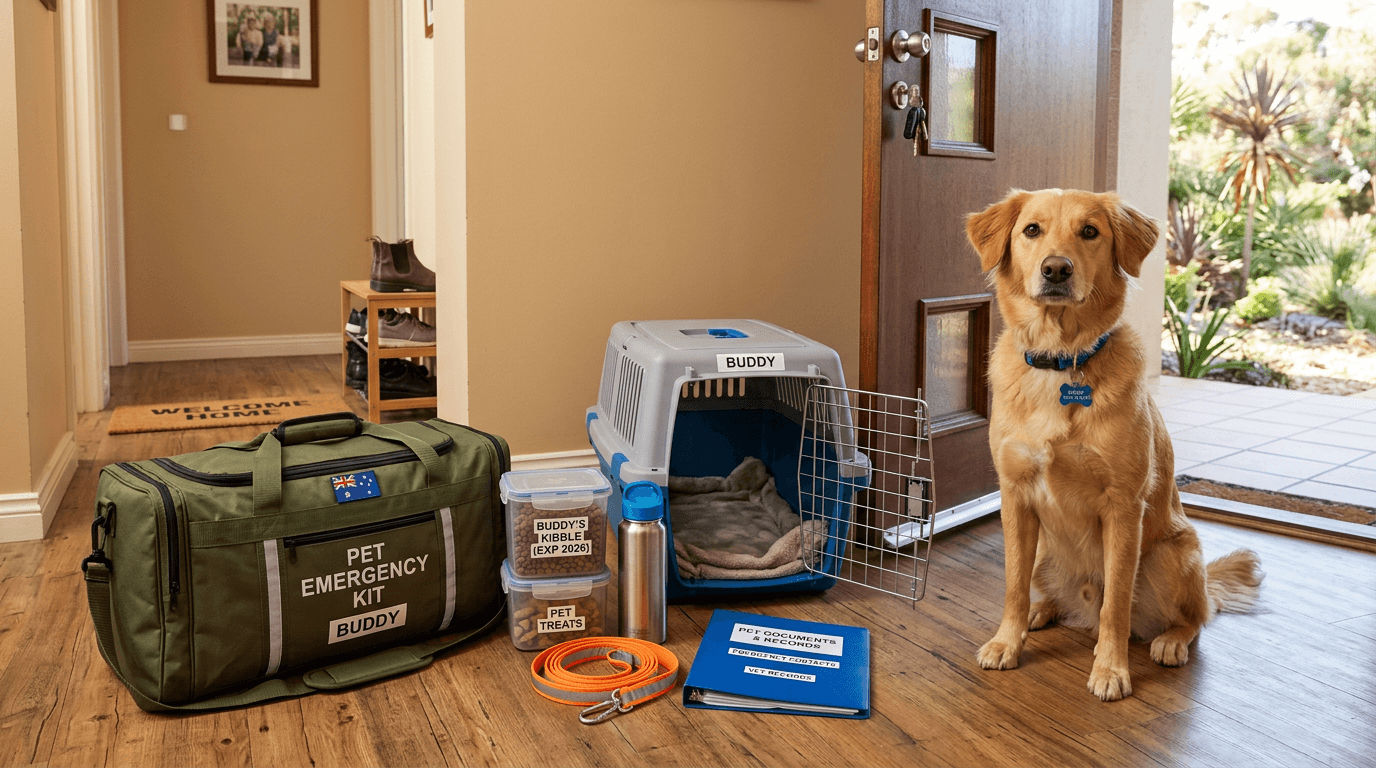
Have ID ready - the escape will happen
Here's the thing: even with a perfect fence and a tired dog, escapes happen. Gates get left open. Storms rip fence palings off. Someone drops the leash. When it happens, the single most important thing is that whoever finds your dog can reach you.
A traditional engraved tag works until the details scratch off or you change your phone number. A microchip works until the registry details go stale. A digital profile on an NFC tag stays current because you can update it from your phone in seconds.
You don't even need an expensive tag to get started. Grab a $2 NFC sticker, link it to a FoundYa profile, and you've got a tag that any finder can tap to see your dog's name, photo, your contact details, and medical info - no app needed on their end.
And when the escape happens, FoundYa's Sentinels feature sends a geo-targeted alert to nearby community members who've opted in to help find missing pets. It's a search party you've already assembled before you need one.
If your dog is one of the breeds on this list, set up their FoundYa profile now - before the first escape. Tips for when they do bolt are a lot more useful when the profile is already live.
Love the rascal, prepare for the bolt
These breeds aren't problems - they're characters. The Husky who wants to run, the Beagle who follows every scent, the Border Collie who can open doors - they're doing what they were born to do. Your job is to love them for it and make sure they can get home when their adventure inevitably exceeds the boundaries of your yard.
Secure the fence. Tire them out. And make sure their tag is ready for the day they outsmart you - because if your dog is on this list, that day is coming.
Design a tag in our Tag Designer or link any NFC chip you already own. It takes two minutes, and it's the best insurance policy your escape artist will ever have.