Just Adopted? Set Up Your Pet's Safety Net Now
You've just signed the papers, loaded a nervous animal into the car, and you're buzzing with that mixture of excitement and mild terror that comes with bringing a new pet home. Congratulations - genuinely. Adoption is one of the best things you can do.
But here's what shelters don't always emphasise enough: the first 48 hours are the highest-risk window for losing your new pet. They don't know your home. They don't know your yard. They don't know you yet. And if they get the chance, many will bolt - not because they don't like you, but because everything is unfamiliar and their instincts say run.
So before you start shopping for matching bandanas, let's get the safety basics locked in.
The first 48 hours are the danger zone
Shelters and rescue organisations report that newly adopted pets go missing most often within the first week - and especially within the first two days. The numbers are even higher for cats, who are masters of finding gaps you didn't know existed and disappearing into them.
Here's what's happening from your pet's perspective: they've just left the only environment they knew (the shelter, a foster home, or the street). They've been put in a car, driven somewhere unfamiliar, and placed in a house full of new smells, sounds, and people. They're stressed, disoriented, and operating on pure instinct.
For dogs, that instinct often means trying to find their way back to what they know - even if "what they know" is a shelter kennel or a spot under a bridge. For cats, it means hiding first and escaping later, often through a window left slightly ajar or a door opened a beat too long.
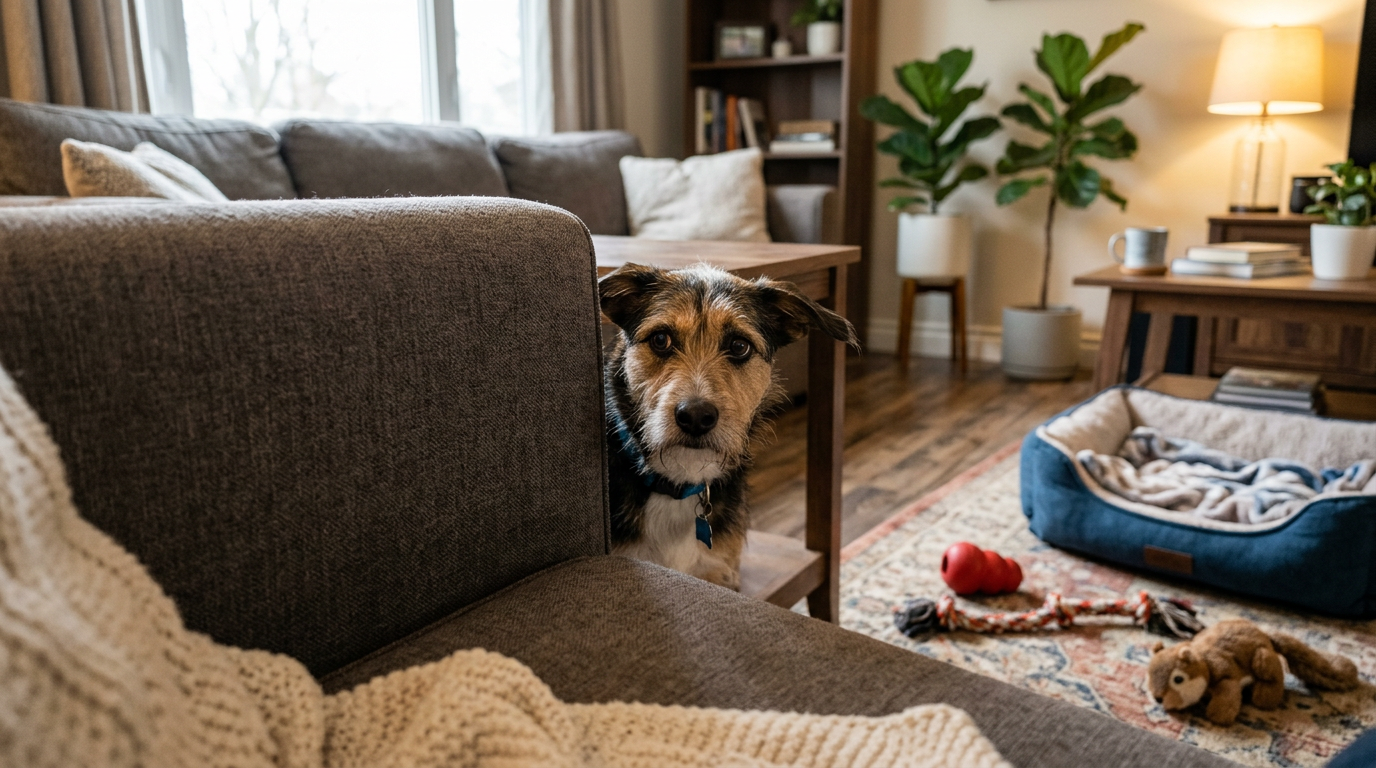
None of this means your pet doesn't want to be with you. It means they don't understand that "with you" is safe yet. That takes time. Your job in the first 48 hours is to make sure they can't disappear before they've had the chance to figure it out.
Cats are especially high-risk in the first week. Keep them in a single room with the door closed for at least the first few days - ideally a week. Let them come to you. A cat that bolts from a new home is extraordinarily difficult to find because they hide rather than wander.
What the shelter gives you vs what you need
When you adopt, the shelter or rescue typically hands you a folder with:
- Microchip transfer paperwork
- Vaccination records
- Desexing certificate (if applicable)
- Maybe a temporary collar or lead
- A brief behavioural summary
That's a good start, but it's not a safety net. Here's what you actually need to do - and most of it should happen before you even walk through your front door.
Update the microchip immediately. The shelter's details are on the chip right now, not yours. Until you log into the registry and transfer it to your name, address, and phone number, the chip points to the wrong person. This is the single most common reason microchipped pets don't get returned to their new owners - the details are still in the old owner's or shelter's name.
Set up a digital profile with your contact info. A microchip only works if someone takes your pet to a vet or shelter with a scanner. A digital profile on an NFC tag works the moment any person with a smartphone taps it - no vet visit needed, no app required.
Add an NFC tag to the collar before you leave the car park. Seriously. Don't wait until you get home and "get around to it." Grab a $2 NFC sticker, link it to a FoundYa profile, and stick it on the collar right there in the shelter parking lot. If your new pet bolts when you open the car door at home, they've already got your details on them.
Don't assume the shelter's temporary collar will stay on. Many are loose-fitting and designed for short-term use. Bring your own collar (properly fitted) and a tag to the adoption pickup.
Setting up ID before they settle in
Day one. Not day three. Not "once they're comfortable." Day one.
Here's what to put on your pet's FoundYa profile right away:
- Your phone number - the one you actually answer, not your landline
- Your pet's new name - and their shelter name or any other name they respond to (finders and vets will try both)
- A current photo - take one at the shelter before you leave. A clear side-on shot is what shelters and vet clinics use to identify animals
- Medical info from the adoption papers - vaccinations, known conditions, medications, desexing status
- Your vet's details - if you've already chosen one. If not, add your nearest emergency vet as a placeholder and update it later
- A note that they're newly adopted - this is important. If a finder sees "newly adopted - may be anxious, approach slowly and calmly" on the profile, they'll handle the situation completely differently than if they assume the pet is a confident, settled animal
That last point matters more than you'd think. A stressed, newly adopted dog approached quickly by a stranger may panic and run further. A finder who knows the context will crouch down, speak softly, and give the animal space.
Building the safety net
ID is the first layer. The second is making sure your home is actually secure.
Secure the house
Walk through every room your pet will have access to and look for escape routes:
- Doors - do all external doors close firmly? Can your pet nose them open? Consider self-closing hinges or baby gates for the first few weeks
- Windows - cats especially. If a window opens more than a few centimetres, a determined cat will get through it. Fly screens are not barriers - they're suggestions
- Fence gaps - walk the entire fence line. Look for holes, gaps at the bottom, loose palings, and spots where the fence meets a wall or structure. A stressed dog will find every weakness
- Gates - check that gates latch properly and can't be pushed open. If you've got a side gate that doesn't quite sit flush, fix it today
Introduce the home slowly
Don't give your new pet the run of the house on day one. Start with one room - a quiet, comfortable space with their bed, water, food, and something that smells like them (a blanket from the shelter, if they'll give you one).
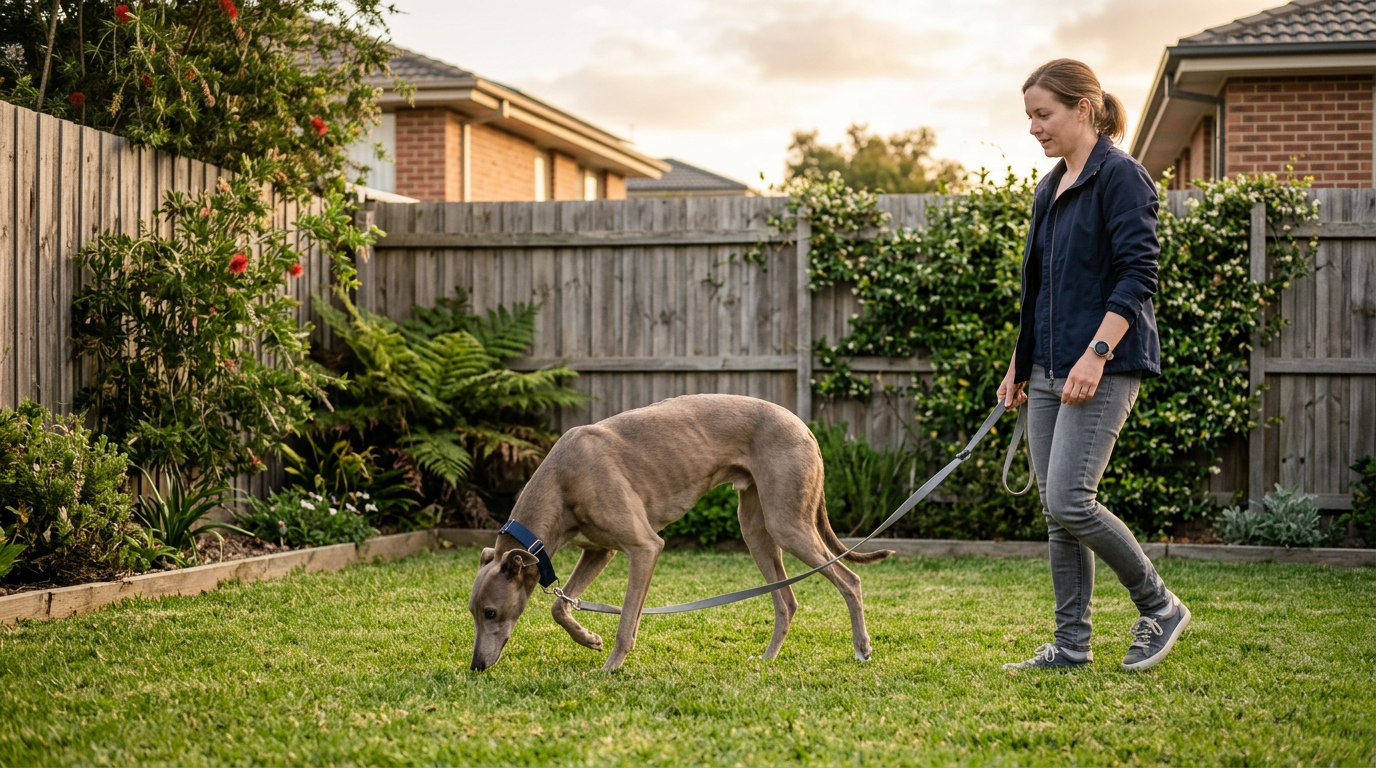
Let them explore the rest of the house room by room over the first few days. For dogs, keep them on a lead even in the backyard for the first week. It feels excessive, but a dog that doesn't yet know your yard as "home" will treat an open back door as an exit, not a boundary.
Set up your household in FoundYa
If you live with other people - a partner, housemates, family - add them to your FoundYa household now. Everyone who might open a door, walk the dog, or be home when a tag gets scanned should be in the loop.
This means:
- They get notified if the tag is scanned by a stranger
- They can see the pet's profile and medical info
- If you activate lost mode, they're part of the response
For the first few weeks, you might also add temporary notes to the profile that household members can see: "Don't leave the back door open unsupervised," "Keep the bathroom window closed," or "She's still nervous around the vacuum - give her space."
If you've got kids, have a chat about the door rules before the pet arrives. More newly adopted dogs escape through doors left open by kids than any other route. Make it a game - "who can remember to close the door every time?"
Beyond the first week
Once your pet starts to settle - eating normally, approaching you voluntarily, sleeping in relaxed positions instead of pressed against the wall - you can start building out their profile with the details that make it genuinely useful long-term.
- Personality and temperament - friendly with strangers? Nervous around other dogs? Loves kids? Hates the postman? This helps finders, pet sitters, and vets
- Preferences - favourite food, preferred walking route, comfort items. The small stuff that helps anyone caring for your pet do it well
- Behavioural notes - any quirks from their shelter background. Resource guarding, noise sensitivity, lead reactivity. These aren't flaws - they're context that helps people interact with your pet safely
- Upcoming vet visits - set reminders for vaccinations due, a post-adoption vet check, desexing if it hasn't been done yet, and flea/worming treatments
As weeks turn into months, update the photo (they'll look completely different once they've settled and gained weight), adjust the medical info as your vet gets to know them, and remove the "newly adopted" notes once they're no longer relevant.
Your pet's FoundYa profile grows with them. It starts as a safety net and becomes a living record - one that any NFC chip can link to, from a $2 sticker to a custom-designed tag.
You're doing a great thing
Adopting a pet is wonderful. It's also chaotic, exhausting, and occasionally terrifying - especially in that first week when your new dog stares at you like you might be a kidnapper and your new cat has been behind the washing machine for six hours.
It gets better. They'll settle. They'll bond with you. They'll eventually stop trying to leave.
But in the meantime, give yourself peace of mind. Sign up to FoundYa, set up their profile, stick a $2 NFC tag on the collar, and know that if the worst happens in those first shaky days, whoever finds your pet can reach you in a single tap.