Pet Safety for Renters and Apartment Dwellers
If you rent in Australia, there's a decent chance you've got a pet. Nearly half the country's renters do. But between shared hallways, balconies, frequent moves, and tradies with a casual attitude toward closing doors, apartment living comes with escape risks that house-dwellers rarely think about.
The good news? Most of those risks are manageable with a bit of awareness and some practical habits. Here's what to watch for - and how to keep your pet safe when your home doesn't come with a backyard fence.
Apartment-specific escape risks
Houses have gates and fences. Apartments have a lot of doors that other people control.
Balconies and windows
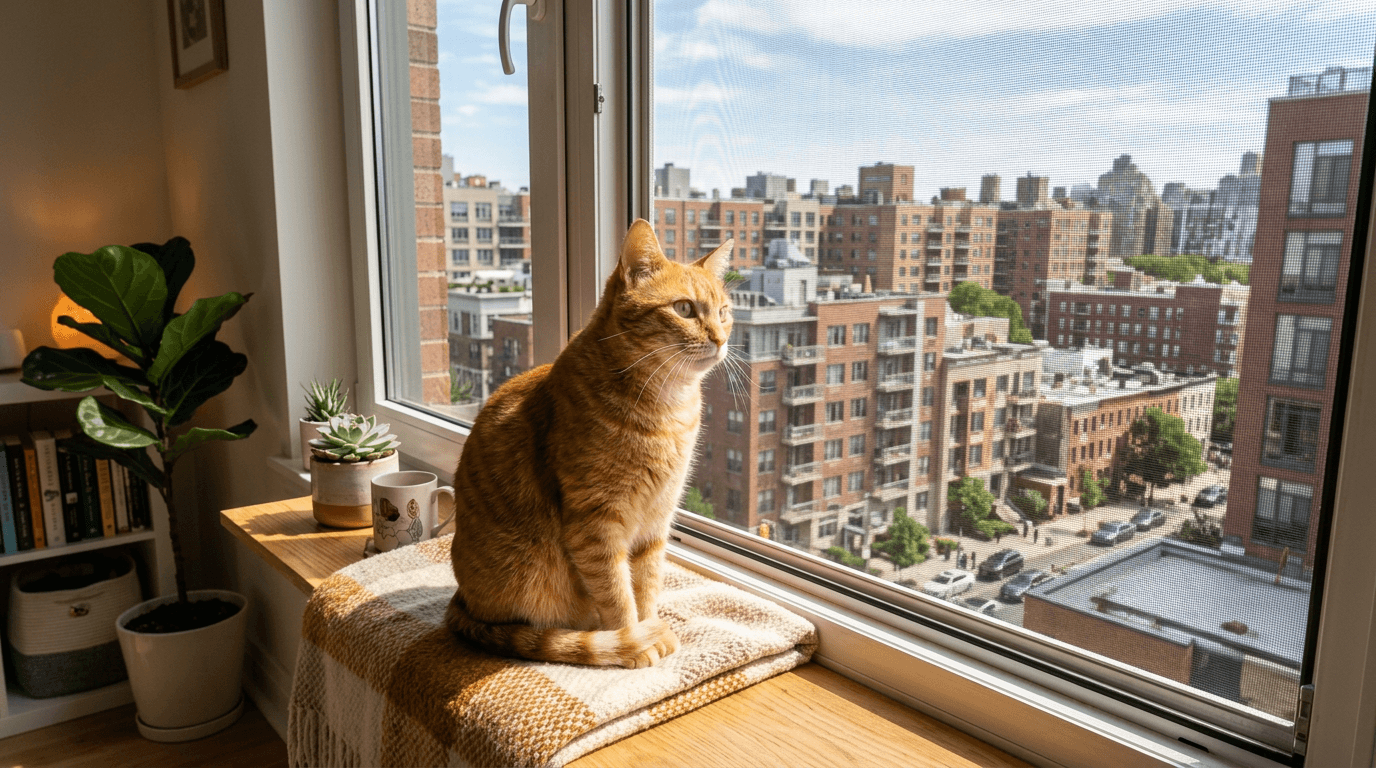
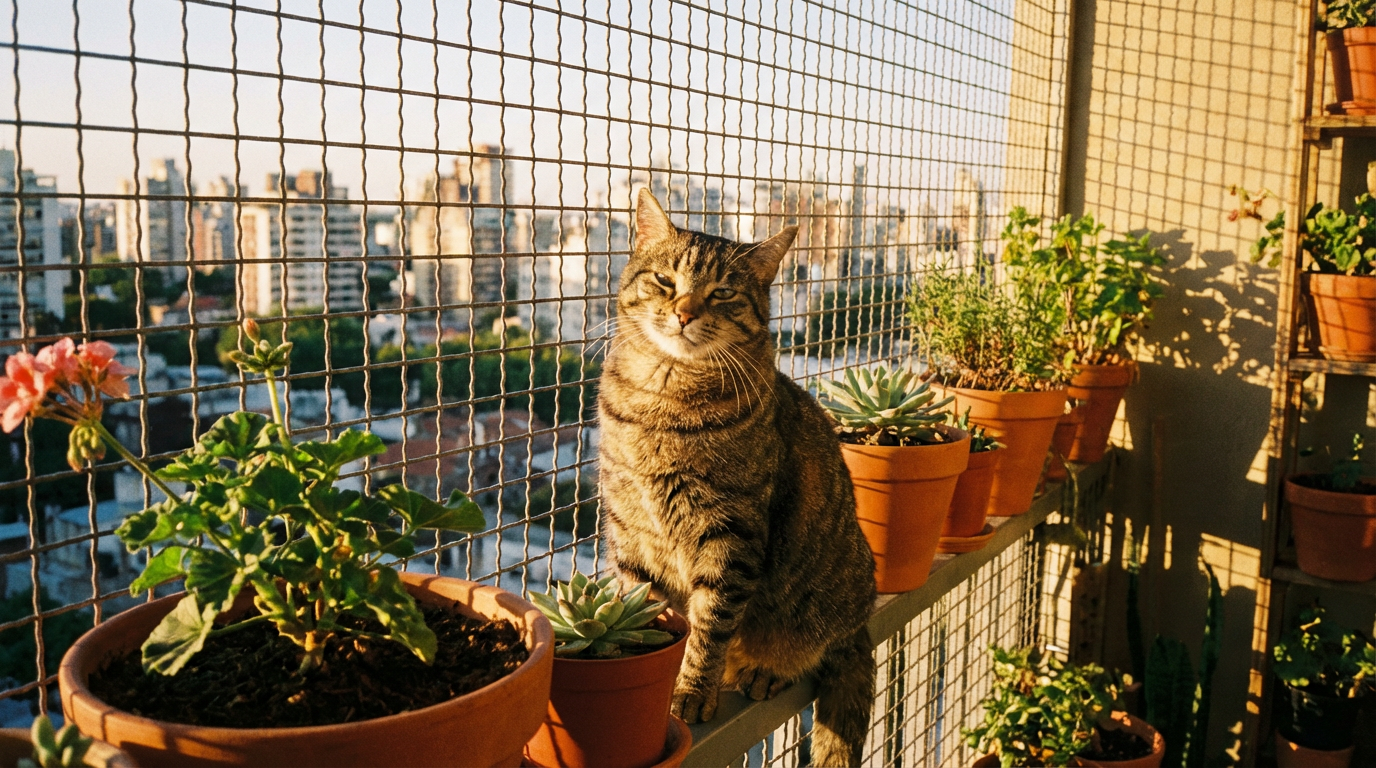
Cats are the obvious concern here, but small dogs can squeeze through balcony railings too. "High-rise syndrome" is a real thing vets deal with - cats misjudge jumps, get startled by birds, or simply roll off a railing they were sunbathing on. It happens more often than you'd expect.
Secure mesh or netting on balconies isn't just a good idea - in some states, strata rules actually require it if you have a pet. Even if yours doesn't, a cat-proof balcony enclosure costs less than an emergency vet visit and takes an afternoon to install.
Windows are the other culprit. Fly screens that pop out under pressure are basically cat doors with extra steps. Check that your screens are properly secured, especially on upper floors, and consider restricting how far windows can open.
Shared entrances and foyers
Your front door isn't the only way out. In an apartment building, there's the lobby, the garage, fire escapes, and shared laundry doors. Any of these can become an exit for a curious pet.
The biggest risk is other people opening doors without knowing your pet is nearby. Delivery drivers, Uber Eats riders, tradies doing maintenance, real estate agents running inspections - none of them are thinking about your cat when they prop a door open.
A small bell or chime on your apartment door is a low-tech solution that actually works. You'll hear the door open even from another room, giving you a few seconds to grab your pet before they make a dash for it.
Inspections and maintenance
Rental inspections are a particular risk. Your property manager might give you notice, but they're not going to chase your cat around the apartment. If you can't be home during an inspection, put your pet in a secure room with a sign on the door, or arrange for a friend to take them for the day.
Same goes for tradespeople. Plumbers, electricians, and air conditioning techs will leave doors open while they carry tools and parts in. Brief them when they arrive - "the cat's inside, please keep the front door closed" takes five seconds and could save you a lot of heartbreak.
Other residents' pets
Shared hallways and courtyards mean your pet will encounter other animals whether you planned for it or not. A reactive dog in the hallway, an off-lead cat in the shared garden, or a territorial pet near the lift - these encounters can lead to escapes when a startled pet bolts.
Moving house as a renter
Renters move more often than homeowners - that's just the reality. And every move means your pet's identification could go stale overnight.
Update everything the day you move
Your old address is on the engraved tag. Your old suburb is on the microchip registry. Your old neighbour who was listed as an emergency contact doesn't even know where you've gone. If your pet escapes during the chaos of moving day - which is exactly when it's most likely to happen - none of that information helps.
This is where a digital tag profile earns its keep. With a platform like FoundYa, updating your address and contact details takes thirty seconds from your phone. Everyone in your household sees the change immediately. No re-engraving, no waiting for a replacement tag in the post, no $15 fee every time you move flats.
Even a $2 NFC sticker from Amazon gives you an updatable digital profile through FoundYa. If you're a renter on a budget, that's a lot of flexibility for the price of a coffee.
Don't forget the microchip registry too - that one requires a separate update, and it's the one most people forget because there's no physical reminder on the collar.
New neighbourhood, new risks
Your pet doesn't know this neighbourhood yet. They don't know the busy road two blocks over, the unfenced dog park, or which yards have aggressive dogs behind the fence. Re-familiarise them gradually. Walk the perimeter of your new area on-lead before letting them explore independently. For cats, keep them indoors for at least two weeks so they bond with the new home rather than trying to navigate back to the old one.
If you've got household members set up on FoundYa, make sure everyone knows the new area's hazards. A quick "heads up, the back laneway leads straight to a main road" in the group chat goes a long way.
Small-space safety
Apartments are smaller, which is actually an advantage for pet safety in some ways - fewer places to hide, fewer exits to monitor. But the density creates its own issues.
Make your space escape-proof
Run through your apartment with fresh eyes and look for gaps:
- Window screens - are they secured, or do they pop out under pressure?
- Balcony railings - could a small pet fit through the gaps? Measure. You'll be surprised.
- Front door gap - does your door have a gap at the bottom big enough for a determined cat?
- Laundry and storage areas - doors to shared spaces that don't latch properly
Keep the safe space consistent
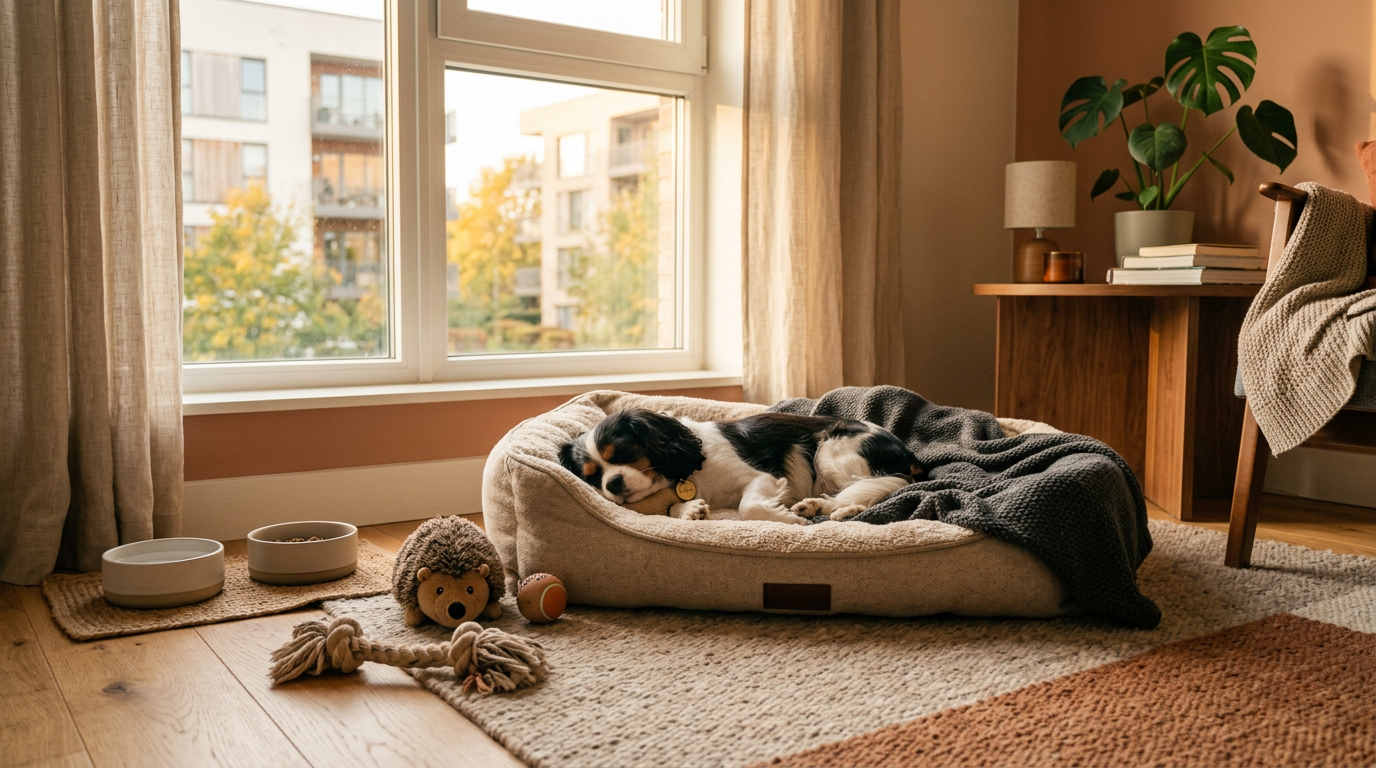
When you move, try to set up your pet's bed, food, and water in a similar layout to your old place. Cats especially rely on spatial consistency. If their litter tray was in a quiet corner, find another quiet corner - not the hallway next to the front door.
A pet that feels settled is a pet that's less likely to bolt when a door opens.
Building rules and community
Know your strata and lease terms
Some buildings restrict collar types, require pets to be carried in common areas, or have specific rules about balcony enclosures. Read your strata by-laws and your lease agreement before you get caught out. It's better to know upfront than to get a compliance notice after you've already set everything up.
Introduce yourself (and your pet) to neighbours
This sounds simple, but it matters. A neighbour who recognises your dog is a neighbour who'll grab them if they see them wandering the hallway solo. A neighbour who's never seen your cat before might assume it's a stray and call the council.
A quick "Hey, I'm in 4B, this is Mango, she's an indoor cat so if you ever see her in the corridor please grab her and knock on my door" builds a micro safety net that no technology can replace.
Shared courtyard awareness
If your building has a shared courtyard or rooftop garden, treat it like an unfenced park. Keep your dog on lead unless you're certain it's fully enclosed, and supervise cats completely. Other residents might leave food scraps, garden chemicals, or small objects that a curious pet will inevitably investigate.
Shared gardens often use snail pellets, fertilisers, and mulch that can be toxic to pets. If you're not sure what's been used, keep your pet away from garden beds and report concerns to your strata committee.
Your pet's info should move when you do
The thread running through all of this is that renting means change - new addresses, new neighbours, new risks. And every change is an opportunity for your pet's identification to fall out of date.
An engraved tag captures a single moment in time. A digital profile on an NFC tag stays current because updating it is effortless. For renters who move every year or two, that difference genuinely matters.
If you haven't already, sign up to FoundYa and set up your pet's profile. It takes a couple of minutes, works with any NFC chip, and means the next time you move, your pet's ID moves with you - no trip to the engraver required.